


Beauty
Why You Need To Dry Brush (+ How To Do It Right)

Photo by Adobe Stock
Beauty
Why You Need To Dry Brush (+ How To Do It Right)
While it’s trending right now on social media, dry brushing is actually a centuries-old technique with surprising skin benefits.
Dry brushing is an ancient self-care ritual connected to Ayurveda and traditional Chinese medicine that's been around for thousands of years. The technique involves exfoliating the skin of the body with a brush made of natural fibres.
“In addition to exfoliating the skin, dry brushing improves blood circulation and stimulates the lymphatic system,” says Ariane Durand, founder of personal care company Ora. When creating the company, “we wanted to move away from new technologies and offer natural treatments. It was during a trip to Polynesia that we discovered the ancestral technique of exfoliating the skin with a brush made from coconut fibres,” she says. This technique can improve the look and feel of the skin, but many also enjoy the relaxation that comes with slowing down to perform an act of self- care, and the invigorating effect of stimulating the entire body.
Should I Try Dry Brushing?
Dry brushing is a mechanical exfoliation technique most suitable for people with normal skin. “Anyone with sensitive skin should avoid dry brushing,” says dermatologist Dr. Julie Mireault. “I don’t recommend it for those with eczema, psoriasis, or acne, because their skin barrier is already compromised.” You should also avoid using a dry brush on areas of broken skin, including sunburn, wounds, or rashes. If you’re experiencing one of these skin woes but still want to exfoliate, focus on the unaffected areas of skin and use a moisturizer with salicylic acid, which gently exfoliates, and urea, an active ingredient that binds moisture to the skin.
What are the benefits of dry brushing?
Lessens the look of cellulite
If done consistently, dry brushing can temporarily improve the appearance of cellulite, because the increased circulation gives the skin a plumper look.
Reduces ingrown hairs
The mechanical exfoliation helps clear clogged hair follicles, reducing ingrown hairs on the body and keeping new ones from forming.
Exfoliates Skin
Dry brushing buffs away dead skin cells, allowing skin- care products to penetrate better and maximizing their efficacy. It can also improve the skin’s texture, leaving
it smoother and softer to the touch.
Boosts the lymphatic system
While more research needs to be done, many credit dry brushing for stimulating the body’s lymphatic system. Each brush stroke acts as a manual support for the lymphatic drainage processes that the body does naturally, and is believed to help with immune support and overall health.
How to dry brush
Get the most out of your dry-brushing routine with these tips.
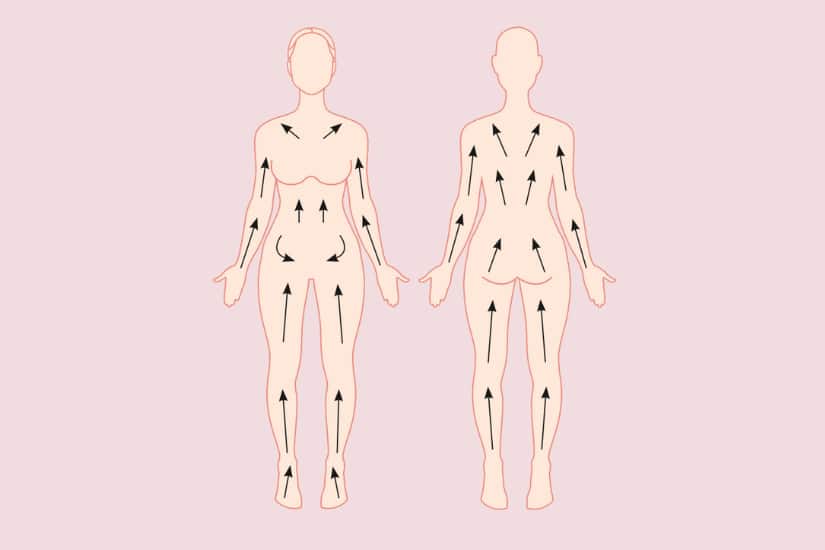
- This routine is best performed in the morning to take advantage of the invigorating results on the body and mind.
- Brushing should be done on dry skin, free of oils, creams or dampness.
- Start at your feet and move up your body.
- Brush using gentle upward circular movements directed toward the heart.
- Don’t overdo it—dry brushing the body typically takes about three to five minutes.
- Afterward, hop in the shower to wash away dead cells, preferably with cool water to avoid drying out the skin.
- Slather the skin with an oil or cream to lock in moisture.
- Perform this routine once or twice a week.
What to use to dry brush
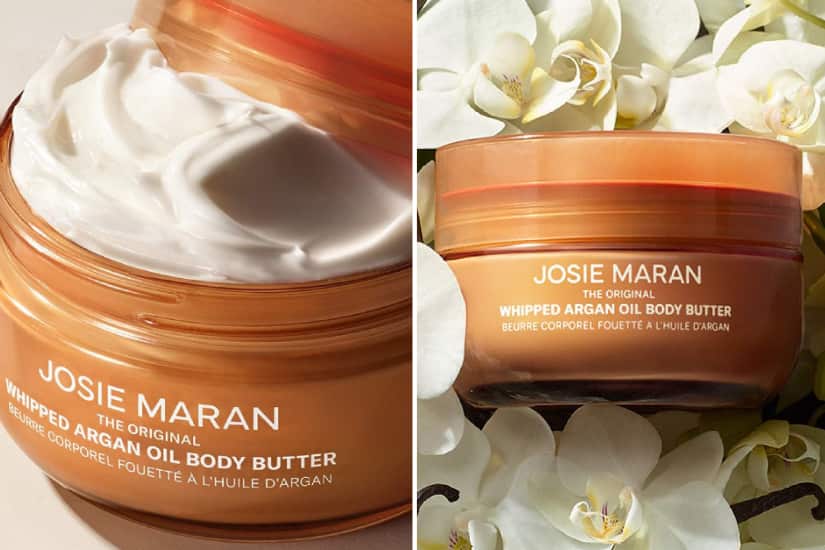
Josie Maran Whipped Argan Oil Body Butter, Sephora, $49
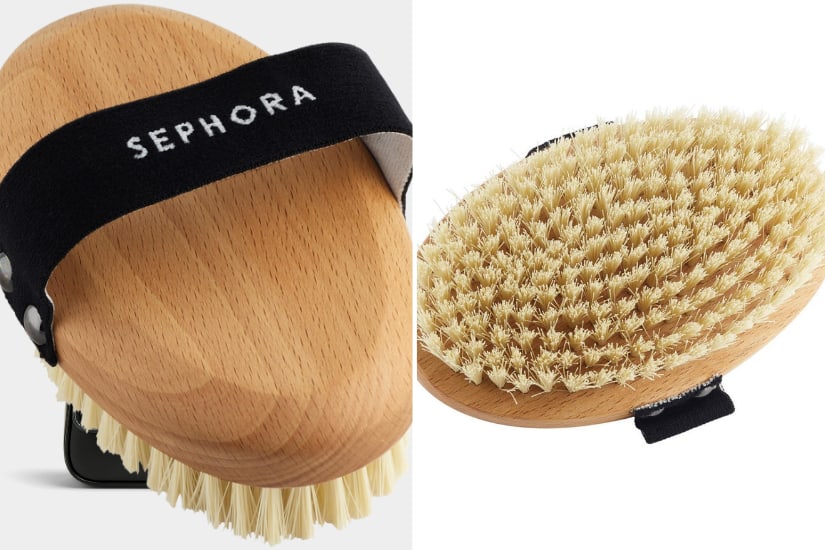
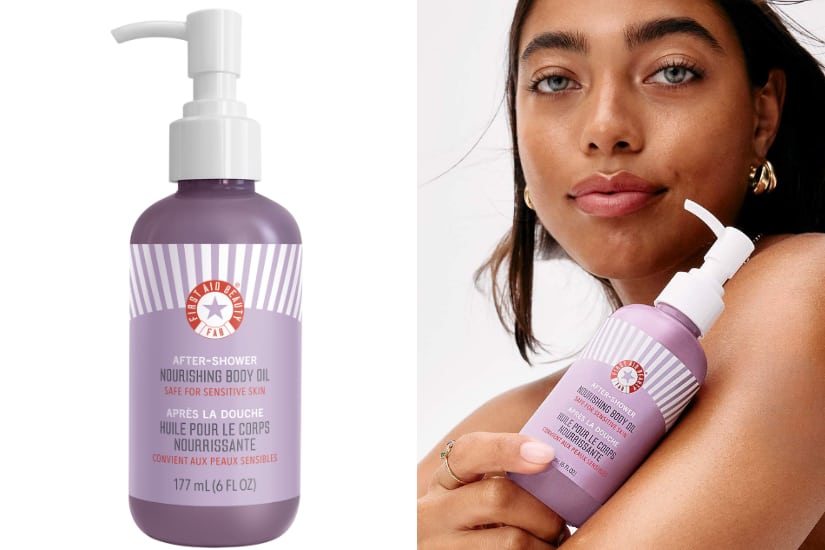
First Aid Beauty After-Shower Nourishing Body Oil, Sephora, $48.50
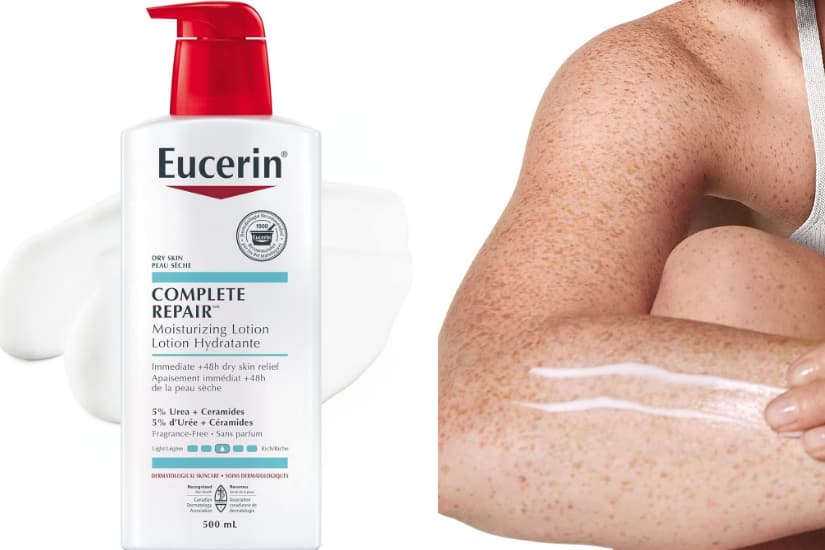
Eucerin Complete Repair Moisturizing Lotion, Amazon, $20
Recommended

Recommended

Protect hair from sun





Comments