


Health & Fitness
This 2,000-Year-Old Practice Promises Better Sleep & Less Stress

Photography by Scott Bakken
Health & Fitness
This 2,000-Year-Old Practice Promises Better Sleep & Less Stress
To restore the body and rejuvenate the mind, people are turning to a traditional Scandi practice that harnesses the power of temperature to get real results. We visited the newest thermal spa in the Canadian Rockies to give it a try.
Thermal therapy—also called thermotherapy—is a broad term that refers to the use of varying temperatures on the body to promote healing and wellness. This can mean anything from icing a sprain to resting a hot water bottle on your stomach to soothe menstrual pain, but there’s one type of thermotherapy that’s been growing in popularity in Canada, and that’s the Nordic thermal cycle.
Dating back 2,000 years, this thermal cycle uses three steps—hot, cold and rest—to achieve physical and mental benefits, such as reducing pain or boost- ing calmness. “Alternating between hot and cold can offer both immediate and long-term physical and mental benefits,” says Jaclyn Pritchard, a registered dietitian and the clinical lead of corporate and clinic wellness at Cleveland Clinic Canada. “People may immediately feel improved circulation, muscle relaxation and often a boost in mood. Longer term and consistent therapy can provide the benefits of improved sleep, cardiovascular protection and stress resilience.”
Where to experience thermal therapy
Photography by Chris Amat/Fairmont Chateau Lake Louise
The connection to thermal wellness is in the DNA of Banff National Park. Even before it was established as Canada’s first national park in 1885, the area’s hot springs were considered sacred and used for healing by Indigenous peoples.
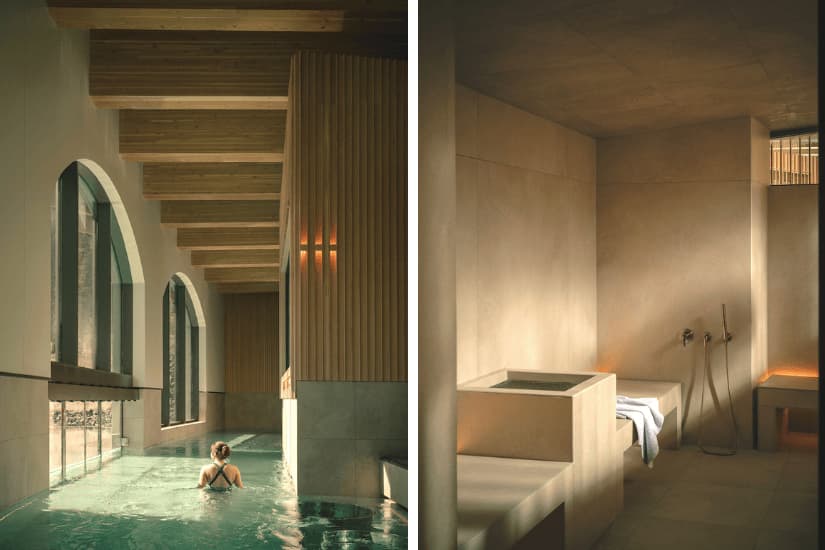
This practice gets a modern-day twist at BASIN Glacial Waters, a brand-new indoor-outdoor thermal bathing facility at the Fairmont Chateau Lake Louise in Lake Louise, Alta. Situated on the edge of the iconic lake with a breathtaking view of the turquoise waters and majestic mountains, there was no better (and more distinctly Canadian) spot to dive into a traditional thermal experience. “This is a unique location, and it’s so much more than a bath house,” says Emma Darby, the global vice president of spa & wellness for Fairmont Hotels & Resorts. What makes Canada such a unique place to enjoy thermotherapy? “The seasonality,” she says. “This won’t be the same experience in the winter as it is in the summer. We’re in a living ecosystem that completely evolves.”
How does thermal therapy work?
Photography by Chris Amat/Fairmont Chateau Lake Louise
1. Hot
The first step of the ritual is to turn up the heat. “Physical benefits from heat exposure can include improved circulation, muscle relaxation, pain relief and improved sleep due to the drop in body temperature afterward,” says Pritchard. Heat therapy has also been associated with a reduced risk of cardiovascular events, including heart attack. “There have been a few studies from Finland, where sauna use is a cultural norm, that have found that when men use a sauna two or three times per week, there’s a 22 percent reduction in cardiac death.”
Along with all the physical benefits, spa-goers can experience mental benefits, too. “Heat therapy helps reduce stress by lowering cortisol levels and creating a sense of calm. It can boost mood by increasing endorphins and serotonin, which may ease symptoms
of anxiety and depression,” Pritchard says. “The ritual of heat exposure also encourages mindfulness, offering a mental reset.” While amenities can differ, you’re likely to find at least one of the following facilities at any thermal spa.
BIO SAUNA
Intensity: 3/5
This sauna combines a higher humidity level (40 to 60 percent) with 50°C to 60°C temperatures for a gentler environment, making this a great choice for those sensitive to extreme heat. Because of the lower temperatures and moisture in the air, some people may choose to spend longer stretches in the bio-sauna, up to half an hour or more.
TRADITIONAL & AROMATIC STEAM ROOMS
Intensity: 3/5
With 100-percent humidity, the steam room promotes muscle relaxation, soothes joint stiffness and opens the airways. A traditional steam room forgoes fragrance, while an aromatic room uses various scents (like eucalyptus or citrus) to clear congestion, calm the mind or promote relaxation.
HOT TUBS
Intensity: 2/5
A familiar sight at spas and gyms, these hot tubs range from 37°C to 40°C and are meant for relaxing. Turn on the jets for a gentle massage and let your worries wash away.
FINNISH SAUNA
Intensity: 4/5
With low humidity, these dry saunas offer the highest temperatures, typically between 70°C and 95°C. Bathers can spend about 10 to 15 minutes here, but this can vary depending on heat tolerance. As a beginner, it’s a good idea to start with shorter sessions, which still pro- vide a feeling of relaxation and ‘looseness’ thanks to the increase in blood flow and decrease in muscle tension.
AUFGUSS CEREMONY
Intensity: 5/5
Held in a high-temperature dry sauna, this traditional ceremony is led by ‘sauna masters’ called Aufgussmeisters, who pour essential oil- infused water or snow onto hot stones. This creates an aromatic steam that’s circulated through the sauna and onto attendees with a towel, branch or fan. With the heat rising to about 95°C during the 15-minute ceremony, this is the most intense option at BASIN, combining aroma- therapy and thermotherapy for a uniquely meditative experience.
2. Cold
The next step takes the temperature way down. “Cold exposure can reduce inflammation and improve muscle recovery by constricting the blood vessels, reducing swelling and soreness,” says Pritchard. Mentally, cold therapy may help to reduce stress by trigger- ing the parasympathetic nervous system, which helps with calming. “It can also increase dopamine and norepinephrine to improve alertness and mood,” she says. The shock of a plunge into cold water also heightens awareness and sharpens focus.
While the first round of cold therapy can come with apprehension—think eyeing the cold plunge pool in dread while soaking in a soothing hot tub—once you push through the initial discomfort, the feeling of exhilaration can be quite addictive. The release of mood- boosting chemicals can really be felt in the sense of euphoria and accomplishment experienced afterward. Cold water therapies often include the following options.
COLD PLUNGE POOL
Intensity: 4/5
At times a large communal pool but often made for solo experiences, cold plunges are typically between 10°C and 15°C. Called the Ice Dip at BASIN, the immersion can last about 30 seconds for beginners, but more seasoned veterans can be found toughing it out for minutes at a time.
BUCKET SHOWER
Intensity: 3/5
Just as it sounds, this is a bucket attached to a chain or rope and suspended above your head. One brave pull will send litres of cold 10°C to 15°C water over you for full body refreshment and an immediate cool down.
KNEIPP POOL
Intensity: 3/5
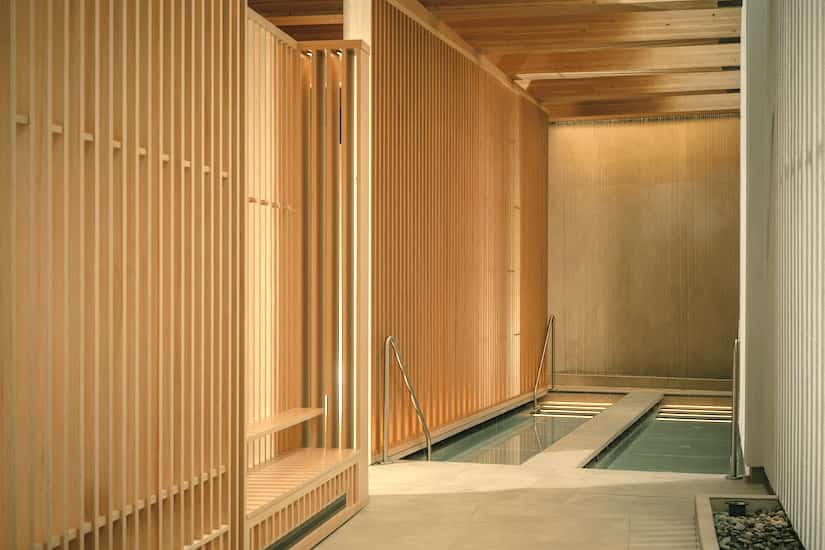
This wellness experience consists of two lanes of shallow water—one hot and one cold. Participants walk down one lane, exit the water, and immediately walk down the other lane. Three circuits are recommended, and the extreme contrast between temperatures helps with lower leg circulation and strengthening the immune system.
3. Rest
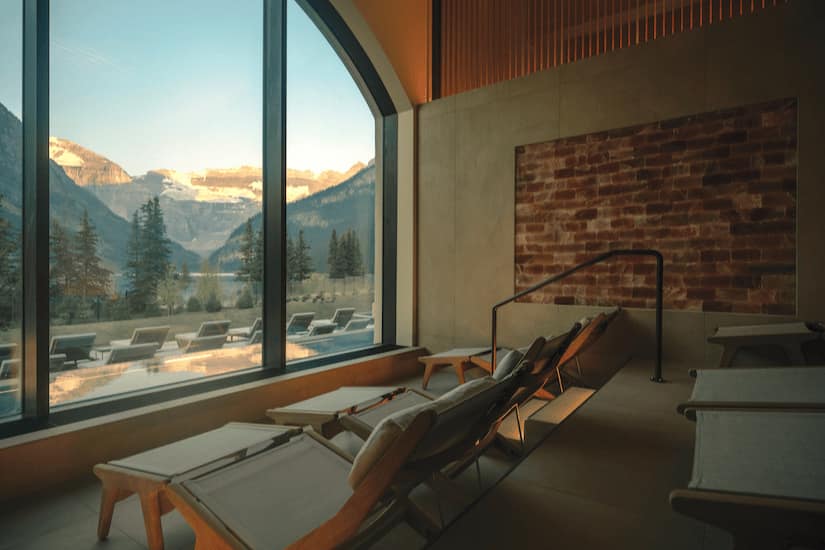
The third step in a thermotherapy ritual is all about pausing to restore balance. During this time, breathing, heart rate, temperature and circulation begin to return to normal along with a feeling of calm and well-being. Some may choose to quietly meditate, read by the fire or sip some tea, while others may wish to spend 15 minutes soaking in the balmy pool, stretching out on warm stone slabs in the Hot Stone Room or reclining in a room complete with a Himalayan salt wall. Before you know it, it’s time to begin the cycle again.
Does Thermotherapy work?
Photography by Chris Amat/Fairmont Chateau Lake Louise
When it comes to thermotherapy, every person’s tolerance level is different, and we all have unique needs. The experience tends to follow a “choose your own adventure” model, allowing spa-goers to tailor their experience to their likes, dislikes and preferred outcomes, and BASIN is no different. Along with the option to explore the space freely, those who want more guidance can choose one of the five curated wellness experiences (called Trails) based on health goals. “The BASIN experience isn’t prescriptive,” says Darby. “Instead, it’s deeply connected to the landscape and focused on the guest’s individual mindset.” From the Cleansing Trail made to boost circulation and detoxification to the Stillness Trail designed to soothe the nervous system, these circuits show the versatility of thermotherapy. Expect to leave BASIN with a general feeling of well-being, having spent a few hours practicing self- care and pushing yourself out of your comfort zone. Not to mention the deep sleep that will surely follow!
It’s easy to see why the popularity of thermal wellness is trending upward. “Bathing in the Americas has definitely grown,” says Darby. “A lot of trends move from North America to the rest of the world, and it’s interesting to see how bathing has hopped over the other way and taken the world by storm.” Pritchard has also seen the growing interest from her patients. “I think people are very curious,” she says. “We’re all looking for ways to feel better. Thermotherapy is just one of the things you can do to take care of yourself.”
Recommended


4 ways to make your bedroom sleep-friendly





Comments