


Health & Fitness
Why Creatine Supplements Aren't Just For Athletes

Photo by Marlon/Adobe Stock
Health & Fitness
Why Creatine Supplements Aren't Just For Athletes
There’s nothing the fitness world loves more than a buzzword. A current favourite? Creatine.
This essential amino acid is known for its muscle-building benefits, lending a helping hand to those looking to bulk or boost muscle mass.
“Creatine is an ergogenic aid, meaning it has direct benefits for sports performance,” says Megan Couturier, a registered dietitian and sports nutritionist at JM Nutrition.
In other words, creatine is scientifically proven to give athletes a boost. But how does it actually work? And do we need to be taking supplements to reap all the benefits?
What is creatine?
Creatine is a chemical naturally found in the body. It’s primarily stored in muscle tissue and cells, with small amounts found in the brain and heart.
Should you take creatine supplements?
Whether Couturier is working with a teen or senior athlete, before recommending any supplement, she suggests taking a close look at their current overall diet.
“Are you eating whole foods? Do you have a balanced and healthy diet? You want to be already checking these boxes before you add something on top,” says Couturier.
Taking creatine without eating enough—or the right foods—won’t give you the same benefits as someone who has a well-balanced diet.
If you are, however, eating a good balance of protein and carbs and fuelling your body properly before and after a workout session, then you might consider incorporating a creatine supplement into your routine.
A creatine supplement might also be a good option if you’re a plant-based athlete. Most natural sources of creatine come from animal products and meat, so a supplement will help boost your overall intake.
Benefits of creatine supplements
There are two main benefits of creatine: body composition and performance.
“Aesthetically, or from a visual component, creatine does increase muscles,” says Couturier.
Since creatine is stored in your muscle cells, an uptake in consumption from supplements will increase the muscle stores of the chemical, overall increasing lean body tissue or overall muscle mass.
Should You Add A Protein Shake To Your Daily Diet?
The other perks are linked to how the chemical can enhance your fitness or sport performance.
“When there’s more creatine in the body, it increases the load of the system and you can potentially lift heavier weights, or do more reps per minute,” says Couturier.
Creatine can also increase the power of your muscles, lending well to high-intensity bursts of exercise like sprinting or high-intensity interval training (HIIT).
Is creatine just for athletes?
You don’t need to be a gold-medal athlete to try out creatine. No matter what skill level you are, and if you’re already getting a proper nutrient intake, creatine can be a useful supplement if used correctly.
“People feel like they will take creatine and turn into the Hulk,” says Couturier. “It comes back to the types of exercises you’re doing.”
Another common concern that Couturier often hears is that creatine will make you look bloated and puffy.
“Because creatine is stored in your muscles, it does retain fluid with the water you drink, but that’s how you get lean muscle mass,” she says. As long as you’re drinking an adequate amount of water—around two to three litres per day, plus extra for exercise—you shouldn’t experience a drastic change.
Regardless of how athletic you are, creatine can be especially beneficial for women, who have a lower endogenous storage of creatine as a whole.
Not only can it be helpful in maintaining muscle mass as we age, some research indicates that it can improve exercise performance and boost energy for those experiencing pre-menopausal or menopausal symptoms.
What’s the best way to take creatine supplements?
The recommended dose of creatine—whether in powder or capsule form—is three to five grams per day, though some high-performance athletes take more.
“Some clients just take it on training days or when they need a boost, but they're missing out on the extra benefits,” says Couturier. “The best bang for your buck is consistency and taking it every day whether you work out or not.”
Couturier also recommends cycling the supplement. Take it for about three to four months in the lead-up to a big event, such as a race day, or throughout a sports season. Pause your intake for about one to two months after finishing.
“If you cycle on and off, it allows your body to reset and give you those first-time effects again,” says Couturier.
Go for a supplement that’s third-party tested and approved for safe sport. While taking creatine will not harm your body, some supplements have unnecessary added ingredients or misleading marketing claims. Look for the “Informed Choice” logo in the supplement aisle.
Expert-approved picks
AllMax Creatine Monohydrate Powder, $15
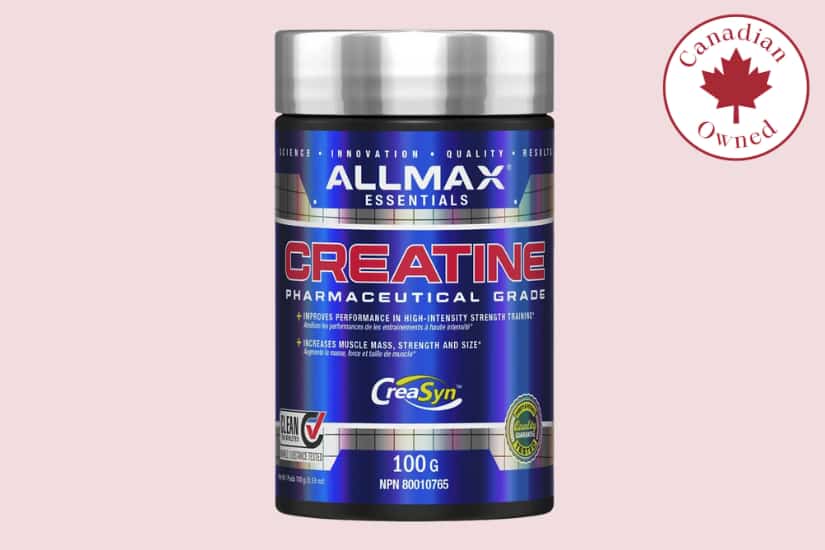
Photo by Amazon
Pura Vita Labs Micronized Creatine Monohydrate, $25
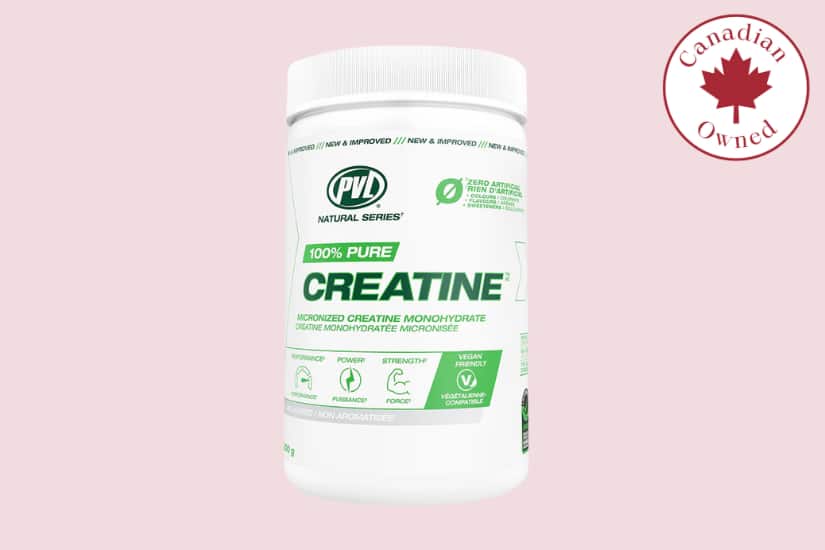
Photo by Amazon

Recommended

Should You Consume 100g Of Protein Per Day?
What actually happens in our bodies when we consume 100 grams of protein per day?
Read More5 ways to reduce risk of heart disease





Comments