


Home & Garden
How To Keep Mosquitoes Away All Summer

Photo by Adobe Stock/C
Home & Garden
How To Keep Mosquitoes Away All Summer
Keep pesky mosquitoes in your yard at bay this summer with these pro tips.
Year after year, Canadian summers bring about the same annoyance—the buzzing clouds of mosquitoes just waiting to feed on our exposed skin. These uninvited guests, and the red, itchy bumps they leave behind, can really put a damper on relaxing evenings in the backyard. We asked an expert for the best ways to protect ourselves from these ankle-biting insects without disrupting the environment’s delicate balance.
“Firstly, a total eradication of mosquitoes might seem like a good thing, but in reality, mosquitoes are needed as an important link in the food chain,” says Marie-Ève André, entomological information officer at the Montreal Insectarium. For example, mosquito larvae serve as a food source for many animals, including fish, frogs, and birds, and male mosquitos contribute to the process of pollination. Mosquitoes may even be used as bioindicators to assess water quality in some contexts, because they react to changes in their environment. It’s easy to forget their benefits when itchy bites are driving you up the wall, so if you’re looking to reduce the number of these critters touching down in your yard, there are options available.
Standing water and mosquitoes
Did you know a single female mosquito can lay a whopping 50 to 300 eggs at a time? With this in mind, focusing on managing mosquitoes at the source is a good first step. Get rid of areas of shallow, stagnant water, which is the perfect breeding ground for these insects that have a partially aquatic life cycle, says André. Because female mosquitos need a blood meal to reproduce, any human nearby becomes a perfect buffet.
In a backyard, there are all sorts of places for water to collect and attract mosquitoes. Patio furniture and play- ground equipment that aren’t properly dried off are two of the major culprits, but even small areas, like a watering can left outside, can be a draw to these insects. They need much less water than you might think. Even used tires, which are sometimes repurposed into flowerpots, can retain very small amounts of water in the tread, and this tiny area can be just enough to encourage laying eggs. Aside from decor, furniture and other outdoor supplies, waterlogged areas on the ground can also be a problem. To limit these breeding grounds in your yard, make sure that as many surfaces as possible are dry. Everything from installing gutters to putting away toys and tools can make a difference.
How to prevent mosquito bites
Establishing physical barriers probably remains the most effective way to prevent bites, says André. Instal ling mosquito nets on windows and around relaxation areas like gazebos can create a protective shield that keeps bugs away. This also goes for our first line of defense—our clothing. Wearing long, loose-fitting clothes limits access to the skin’s surface, significantly reducing the chance of mosquitoes feasting on your arms and legs. A fan can also keep them away, putting an obstacle in their flight path with the bonus of keeping you cool during hot summer days.
The bugs that can help
Spiders, frogs, dragonflies, bats, and birds play an essential role in reducing the number of mosquitoes flying around, so attracting these predators to your backyard can also help control the population. One of the ways to encourage the arrival of some of these critters is to place nesting boxes in your garden. A stunning garden rich in biodiversity is not only beautiful, but it also pro- motes an ecological balance that limits the proliferation of mosquitoes, says André.
How to prevent mosquito bites
Both synthetic and natural repellents can be effective in keeping mosquitoes away.
Synthetic repellents
When it comes to synthetic insect repellents, they must bear a Pest Control Products Act registration number from Health Canada.
Always read and follow the label that specifies the insects targeted, age requirement for use, maximum number of daily applications and usage instructions. Apply the product sparingly, avoiding the eyes, mouth, wounds or sunburn. When applying the repellent to your face, spray it into your hands first, rather than directly onto the face.
Among the options on the market, those with DEET and icaridin are known to provide effective and long-lasting protection.
When wearing both sunscreen and insect repellent, apply your sunscreen first and let it absorb, then use repellent.
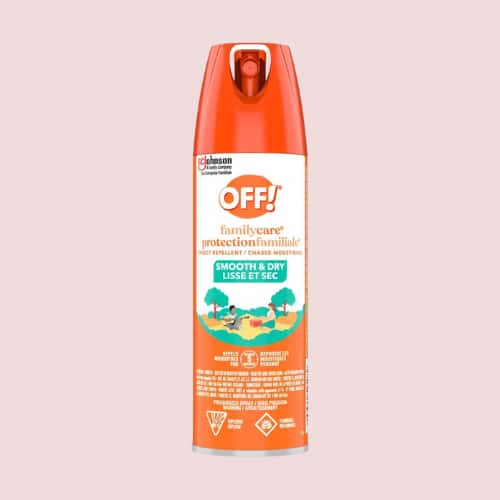
Off! Family Care Smooth & Dry Insect Repellent, Amazon, $10
Natural repellents
If you want to go the natural route, essential oils, such as citronella, lemon eucalyptus and basil, are known for masking the scent of your body and repelling mosquitoes.
To apply them topically, mix the essential oil with a carrier oil to make it gentler on skin.
Essential oils can also be added to a diffuser or put in a spray bottle with water to repel insects in a specific area.
Adding certain plants to your garden, including lavender, peppermint or rosemary, can ward off mosquitos thanks to their strong scents.
100% Pure Essential Peppermint Oil, Saje, $28
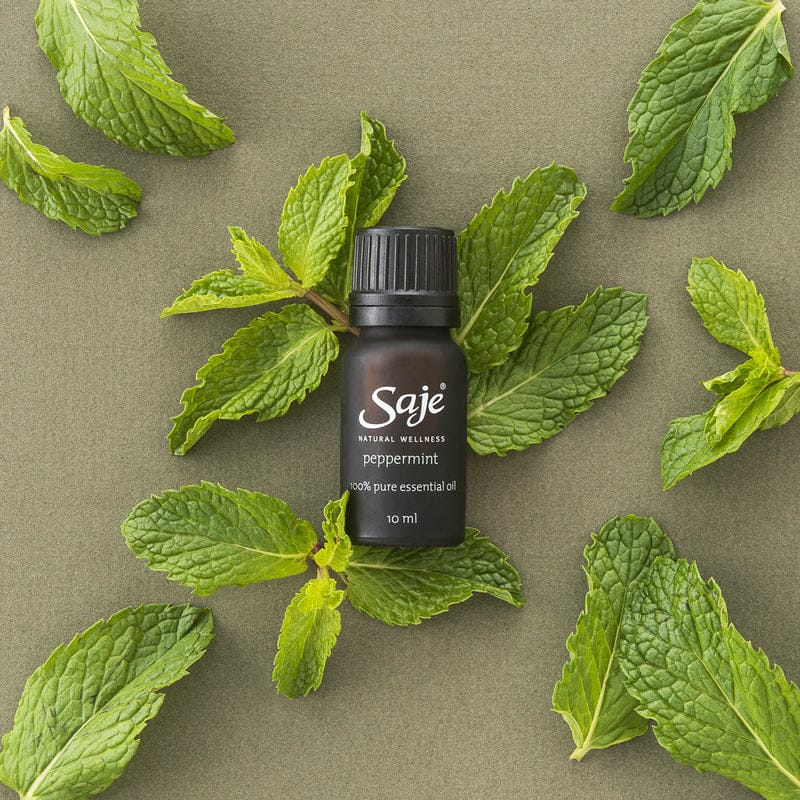
Photo by Saje


Protect hair from sun





Comments