


Health & Fitness
6 Foods That Should Never Be Stored in Plastic Containers

Photographer: Unsplash | Darrien Staton
Health & Fitness
6 Foods That Should Never Be Stored in Plastic Containers
Many experts advise against using plastic when preparing and storing food.
The reason? The risk of transferring microplastics to food could be very high.
There are some ingredients would be even more at risk than others of being contaminated.
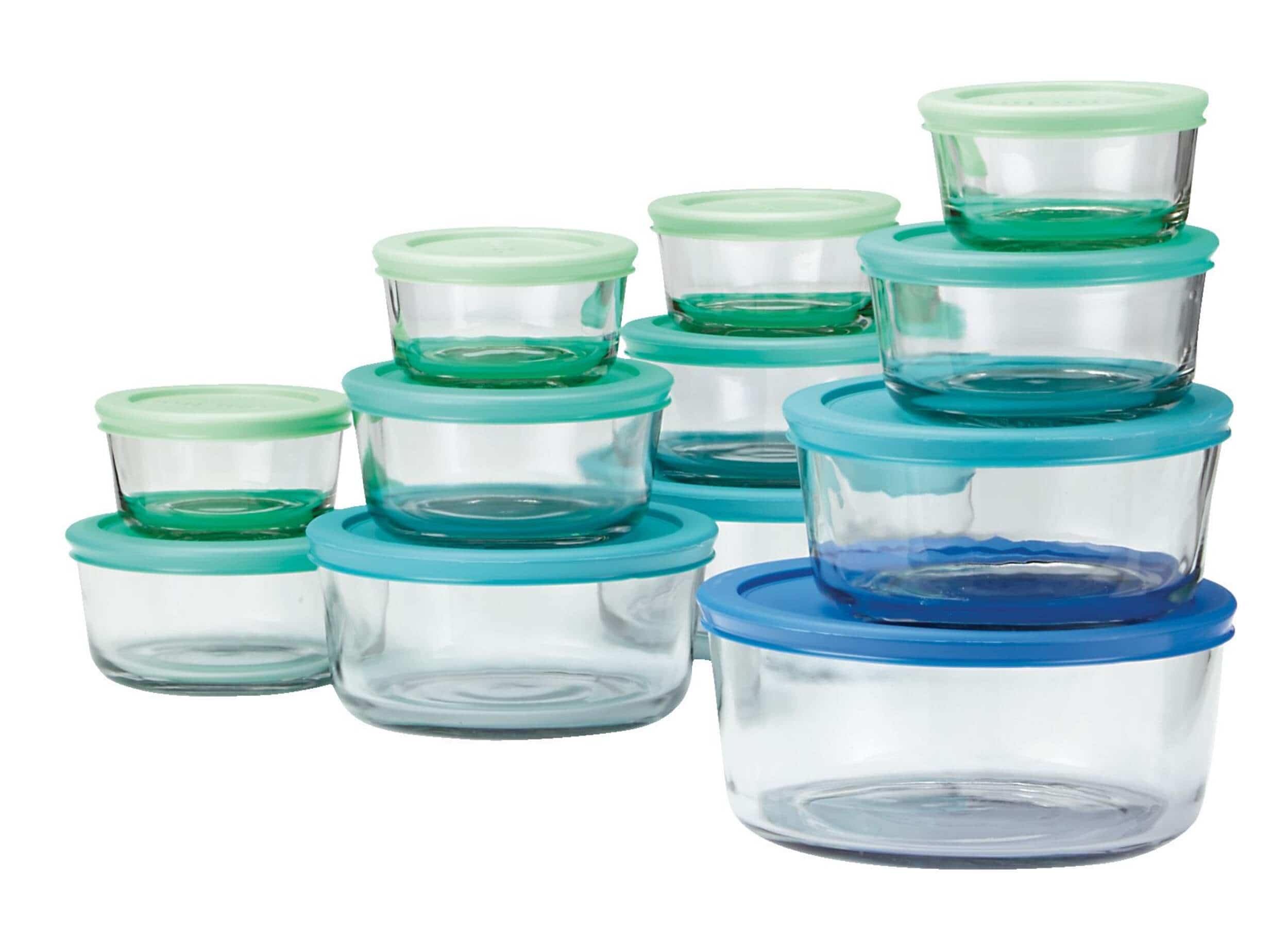
In the late 1940s, plastic food containers revolutionized the daily lives of many families, making it easier to store food, whether raw or prepared, in the refrigerator and freezer. After becoming a kitchen essential, plastic containers are now increasingly criticized. And for good reason: we now know that these airtight containers are not without health risks. While specialist Isabelle Plante recently warned about the risks of reusing single-use plastic containers, which are tested for a single type of use,cthere are a few foods that should avoid plastic entirely, if possible.
6 Foods You Should Never Store in Plastic Containers
Cooked food, stored in an airtight container in the refrigerator for the next meal, is an easy way to save a little time in the kitchen. However, some foods should not come into contact with plastic, mainly due to possible chemical reactions between plastic and food components, especially under certain conditions (heat, acidity, fat, etc.).
1. BERRIES
2. VERY FATTY FOODS
3. HIGHLY ACIDIC FOODS
4. CERTAIN FERMENTED OR PICKLED VEGETABLES
Sauerkraut, kimchi, or pickled gherkins are also very acidic and should not be stored in plastic, especially if it is a reused container not intended for this purpose.5. RAW VEGETABLES
6. CHEESES
Recommended

Should You Consume 100g Of Protein Per Day?
What actually happens in our bodies when we consume 100 grams of protein per day?
Read MoreRecommended

Stop Throwing Out These 10 Foods That Virtually Never Go Bad
Some pantry foods can be eaten long after their expiration date (provided that they are stored correctly!).
Read More7 Most Common Nutrition Myths





Comments