


Life & Relationships
How To Stop Impulse Shopping, According To A Professional Organizer

Photo by iStock
Life & Relationships
How To Stop Impulse Shopping, According To A Professional Organizer
Professional organizer Ivanka Siolkowsky challenged herself to a year of no shopping—and loved it so much, she started it all over again. These are her tips for mindful consumption and doing more with less.
When Marie Kondo’s decluttering and organization series came on Netflix in 2019, everyone was going through their drawers, trying to keep only what ‘sparked joy.’ But professional organizer Ivanka Siolkowsky’s minimalism journey began in 2014, while she was working as a teacher and began noticing clutter piling up in her classroom. “The clutter wasn’t helping anyone—not me, and definitely not the kids,” she says. “That’s when I began exploring minimalism. I saw firsthand how a simplified environment positively impacted my students’ development and emotional well- being, as well as my own.”
This experience inspired Siolkowsky, now known online as The Tidy Moose, to launch her business, pursue KonMari training and become a certified Master KonMari Consultant after completing more than 1,500 hours of experience in tidying up. Now, she continues to help people transform their homes and lives while tackling a challenge of her own: no shopping—except for essentials—for an entire year.
How to stop impulse shopping
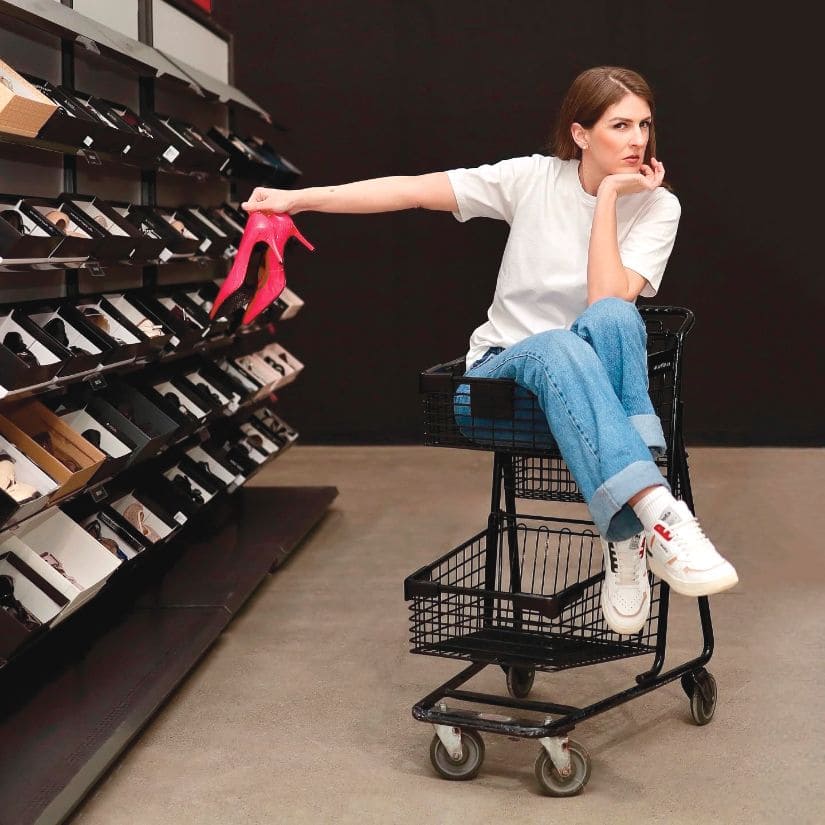
Photography courtesy Ivanka Siolkowsky
"I first took on the Year of No Shopping challenge in 2019, when I began to feel overwhelmed—not just by the physical clutter piling up around me, but also by the relentless pressure society places on us to keep consuming,” says Ivanka. "As I started experiencing the benefits of owning less and spending money more intentionally, the challenge evolved into something deeper: a lifestyle shift."
According to a 2010 study published in The Journal of Neuroscience, dopamine plays a pivotal role in how we may perceive impulse shopping as a reward or a positive experience rather than a negative one. We see this reflected in the “little treat” culture trend online, and Ivanka says she experienced it when she would turn to shopping for emotional comfort in times of poor mental health.
When Ivanka stopped shopping, she immediately noticed an improvement in her anxiety level. “Mentally, it’s brought me a sense of calm and clarity I didn’t realize I was missing. When I stopped constantly chasing the next purchase or worrying about finances, I began to feel more grounded and present,” she says.
It also allowed Ivanka to think about what she wants out of life rather than what she wants in it. She says she can more easily identify her values and then align her habits and actions with them.
Then there’s the added benefit of saving money and generating less waste. “I feel good knowing that I’m living more sustainably, whether that means buying secondhand, avoiding fast fashion or just being more thoughtful about what I bring into my home,” says Ivanka. “The extra financial cushion has given me more freedom and allowed me to invest in things like experiences that truly matter to me.”
This sounds challenging
It’s supposed to be! If impulse buying was easy to stop, we’d all be doing it. Whether your goal is to completely cut out shopping or simply start decluttering, Ivanka has a few tips for you to ease in:
Start small—really small. Pick one tiny area, like a single drawer or one shelf, and give yourself per- mission to focus only on that. Don’t overthink it or try to plan out the whole house; just begin. Progress builds momentum and starting small helps to avoid feeling over- whelmed. Each small step is a step in the right direction. One clear drawer today can lead to a clearer mind tomorrow.
Designate one no-shopping week or month in the near future. This is when you’ll try to avoid unnecessary purchases. Create a shopping list ahead of time and stick to it, focusing only on essentials. You can also declutter your home to assess what you already have and limit new purchases.
Try a 30-day challenge in which you avoid purchases in one cate- gory (clothing, tools, etc.), or set a monthly budget for nonessential items and track your spending.
These simple changes can help you adopt more intentional habits without feeling overwhelmed.
How to simplify your life right now
The 10-10-10 Challenge
Pick one area (like a closet or bathroom drawer) and find:
- 10 things to throw away
- 10 things to donate
- 10 things to put back in their place
It’s quick, satisfying and gets momentum going.
The Daily 15-Minute Room Reset
Set a timer for 15 minutes at the end of every day and reset your most-used rooms (living room, kitchen, bedroom).
- Put things back where they belong
- Wipe surfaces
- Do a quick floor sweep
This habit keeps mess from building up and gives your brain a “reset” too.
A Year of No Shopping Challenge
How to start
Want to tackle a year of spending less on your own? The rules are simple: no making purchases except for essentials (i.e. laundry detergent, groceries, etc.). If that sounds too overwhelming, start small. A day/week/month of no shopping will build your habits and reframe how you think about your consumption.
1. Track your progress
Sticking to your intentions can be tough when there’s a sale at your favourite store or a new kitchen appliance you want to buy. Ivanka says making a list of things you want but don’t go through with purchasing can help you see how much you’re saving and how many impulse purchases you would have made for short-term happiness.
2. Out with the old
If you want to level up the challenge, join Ivanka in getting rid of one to two items you own every day. You can donate them, sell them, or find a way to get rid of them through eco-friendly disposal. Keep a list of everything you let go of—by the end of the year, you’ll be amazed at how much you had that you didn’t need and don’t miss.


5 Podcasts That Will Change Your life





Comments